Alone, alone, all, all alone,
Alone on a wide wide sea!
—Samuel Taylor Coleridge, 1798
alone (adj., adv.)
“unaccompanied, solitary; without companions,” c. 1300, a contraction of all ane, from Old English all ana
“unaccompanied, all by oneself,” literally “wholly oneself,” from all “all, wholly” (see all) + an “one” (see one).
It preserves the old pronunciation of one.
Similar compounds are found in German (allein) and Dutch (alleen). The sense of “and nothing else” is from c.
1200, as in “Man does not live by bread alone” (Matthew iv.4, KJV; there Tyndale has “man shall not lyve by
brede onlye”). Related: Aloneness. Adverbial alonely seems to have become obsolete 17c.
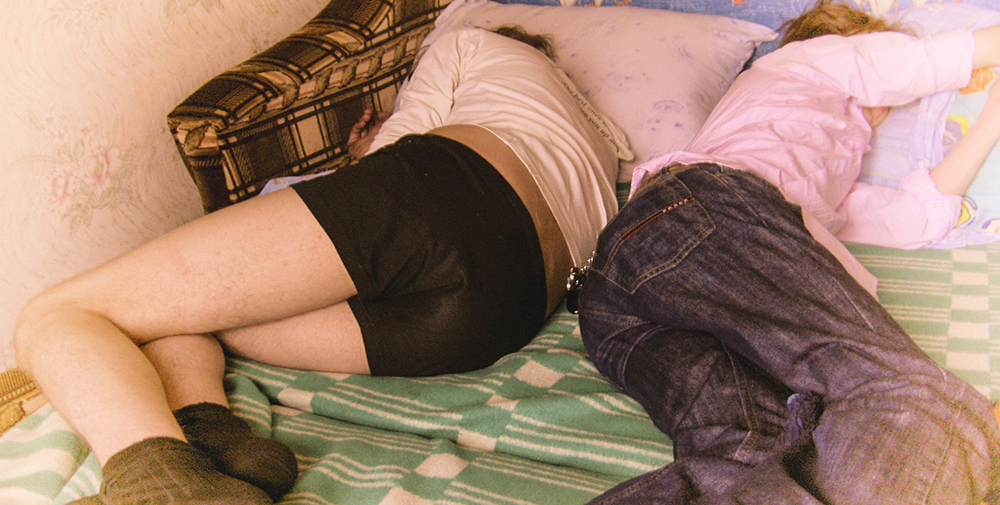
This exhibition examines the relationship between connection and withdrawal, and the mix of distance and
immediacy that structures contemporary living. Loneliness has become ambient rather than exceptional: life is
shaped by numbing connectivity, terminally online habits, and the accelerating drift toward isolation even within
spaces and platforms nominally designed for togetherness. Desire both sharpens and stalls as communication
filters through avatars and algorithms, which promise intimacy while reinforcing its scarcity. Closeness has
become a provisional state, felt more as anticipation than encounter.

Installation view. Alone, alone, all, all alone, 2026.

Installation view. Alone, alone, all, all alone, 2026.
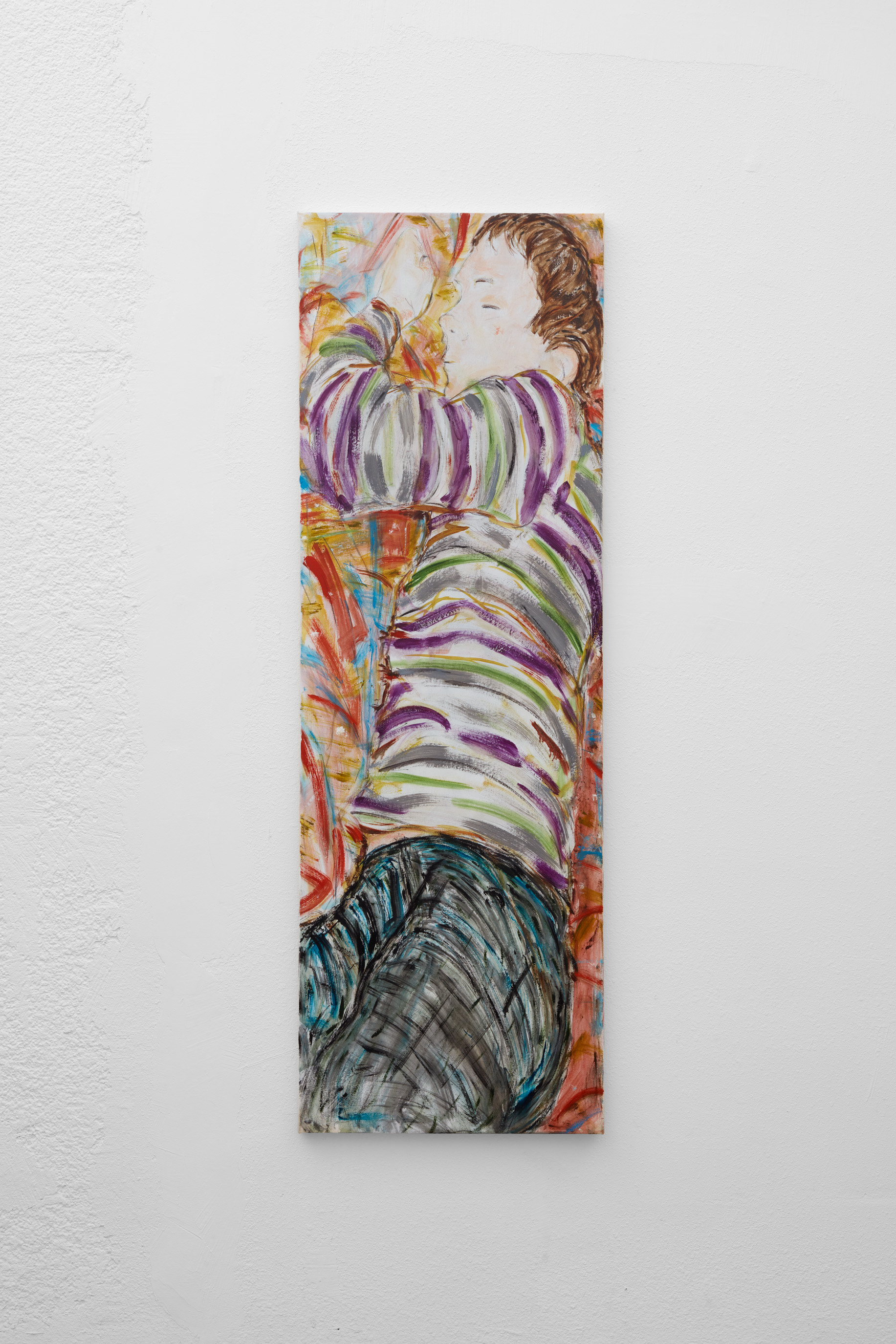
Ramsey Alderson, Fascination, 2026. Oil on canvas, 72 x 24 in. (183 x 61 cm).
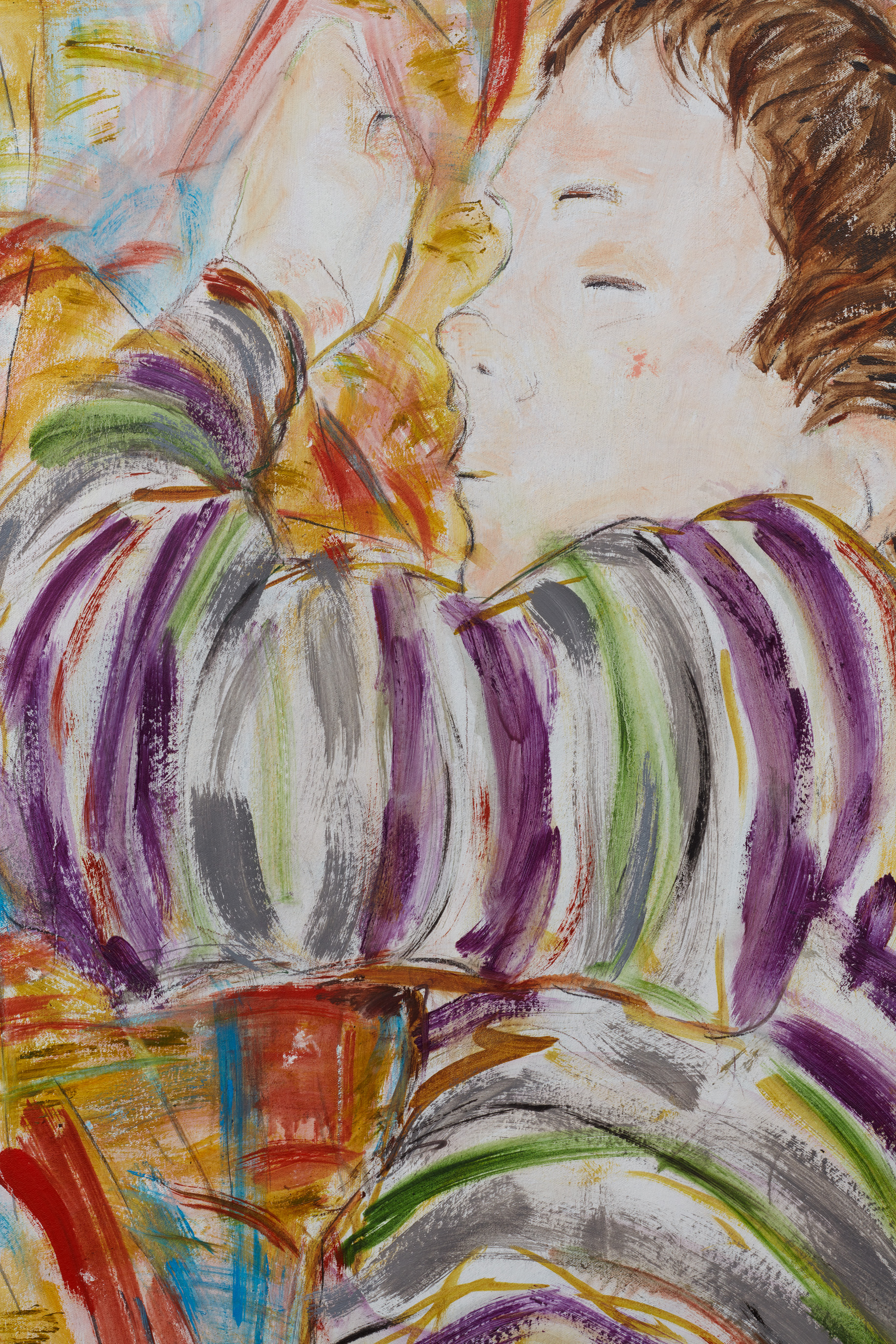
Detail. Ramsey Alderson, Fascination, 2026. Oil on canvas, 72 x 24 in. (183 x 61 cm).
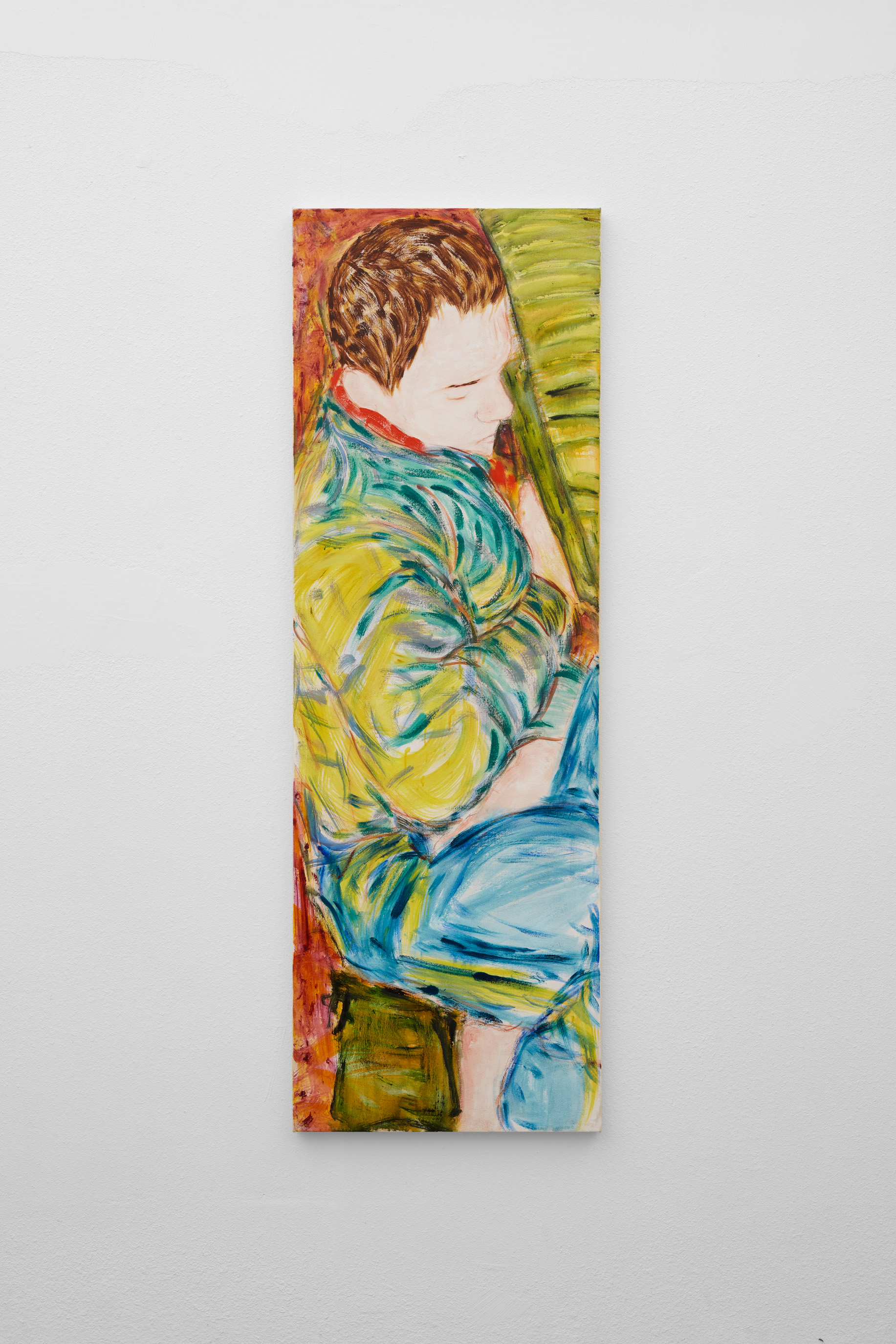
Ramsey Alderson, Stroll In Your Crypt, 2026. Oil on canvas, 72 x 24 in. (183 x 61 cm).
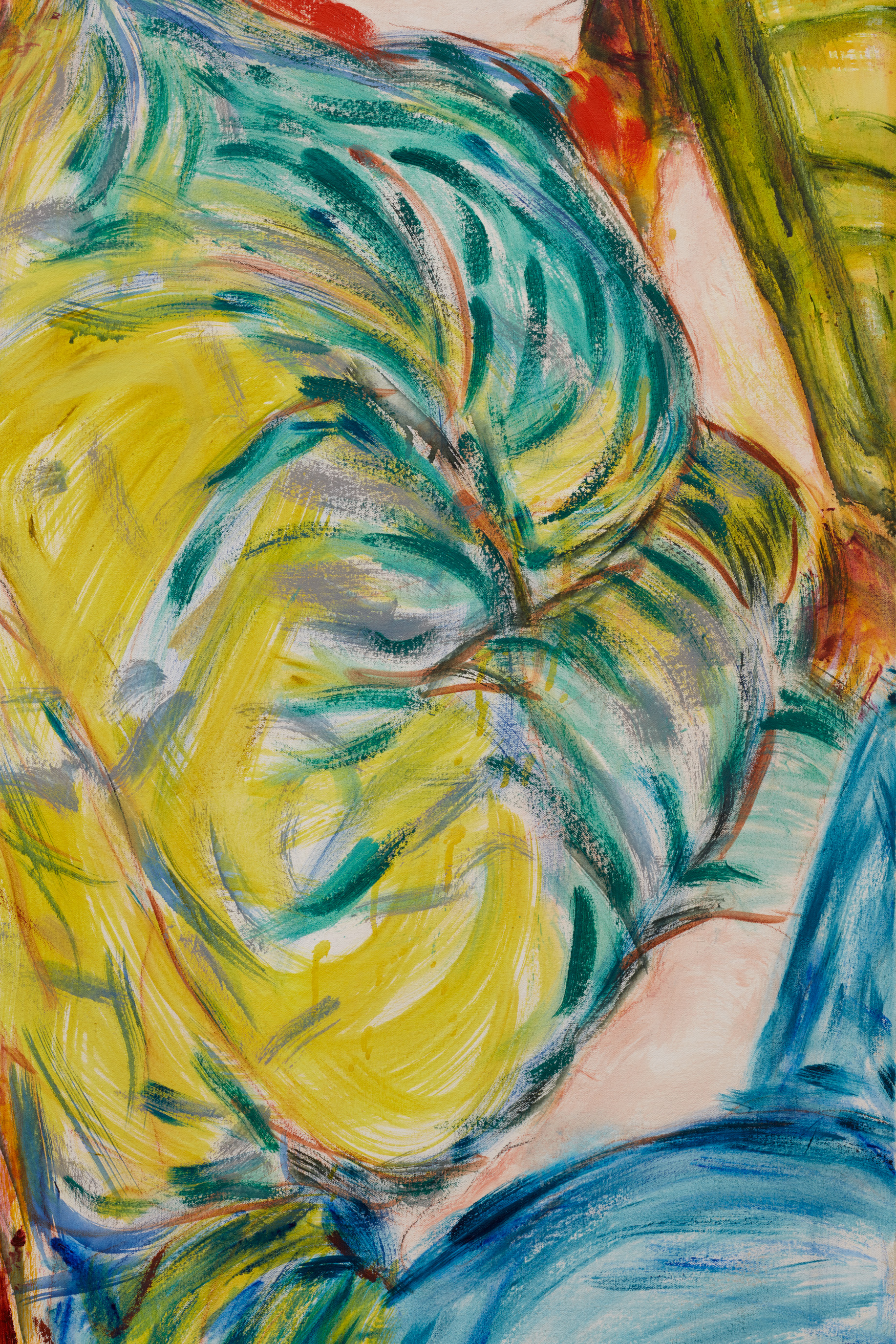
Detail. Ramsey Alderson, Stroll In Your Crypt, 2026. Oil on canvas, 72 x 24 in. (183 x 61 cm).
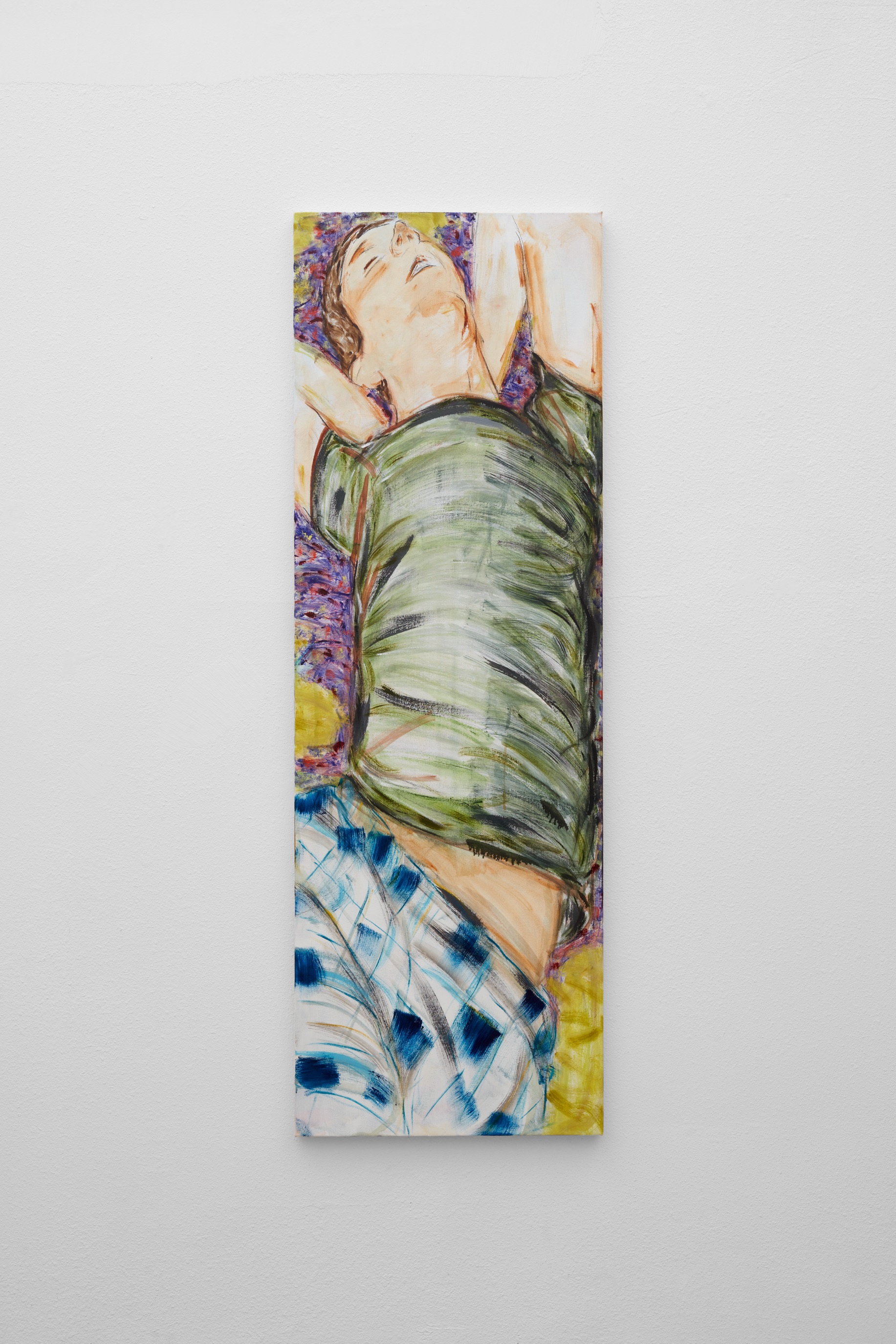
Ramsey Alderson, Quicksand, 2026. Oil on canvas, 72 x 24 in. (183 x 61 cm).
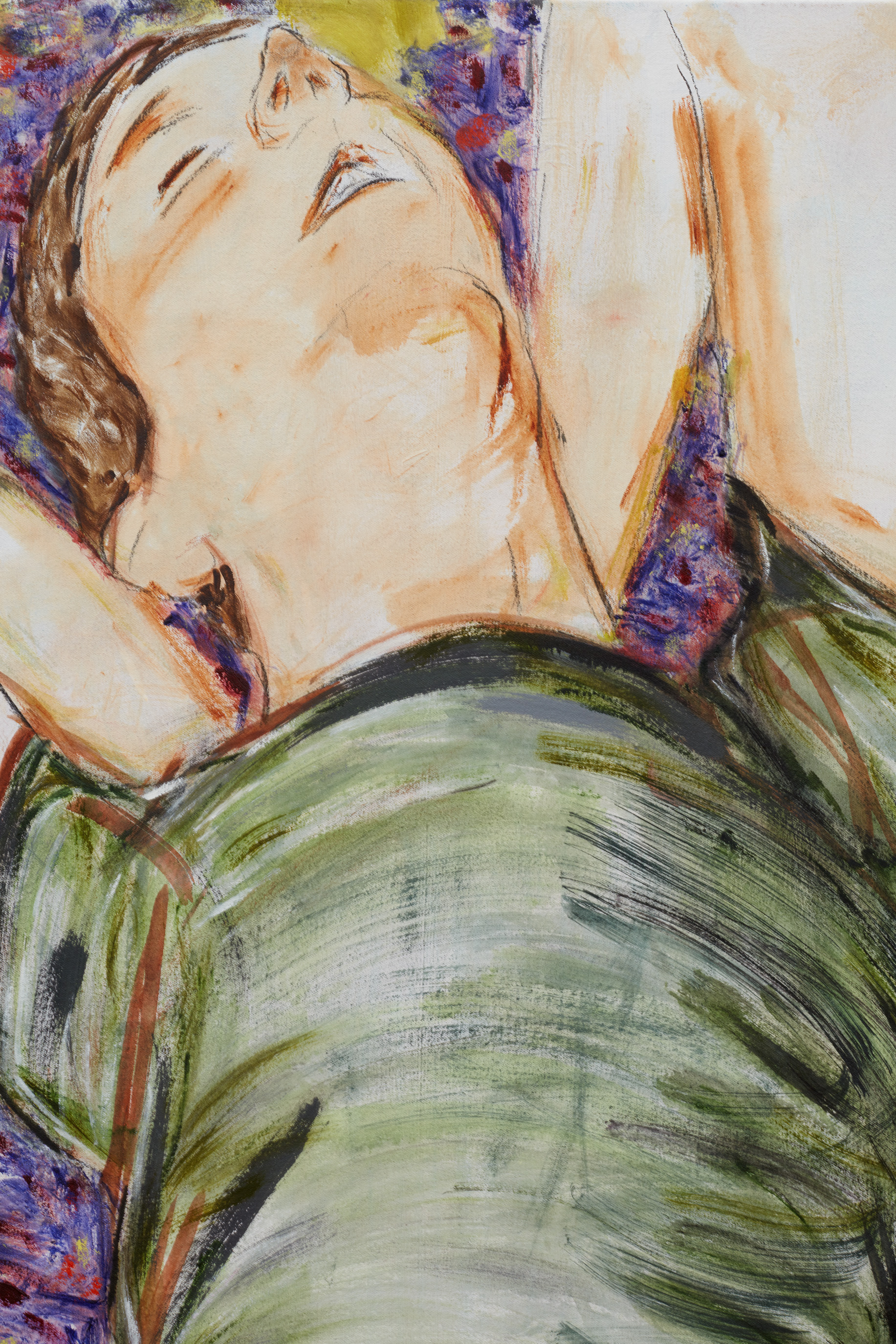
Detail. Ramsey Alderson, Quicksand, 2026. Oil on canvas, 72 x 24 in. (183 x 61 cm).

Ant Łakomsk, Egyptian Wing, 2026. Oil and shellac ink on canvas, 55 x 59 in. (140 x 150 cm).
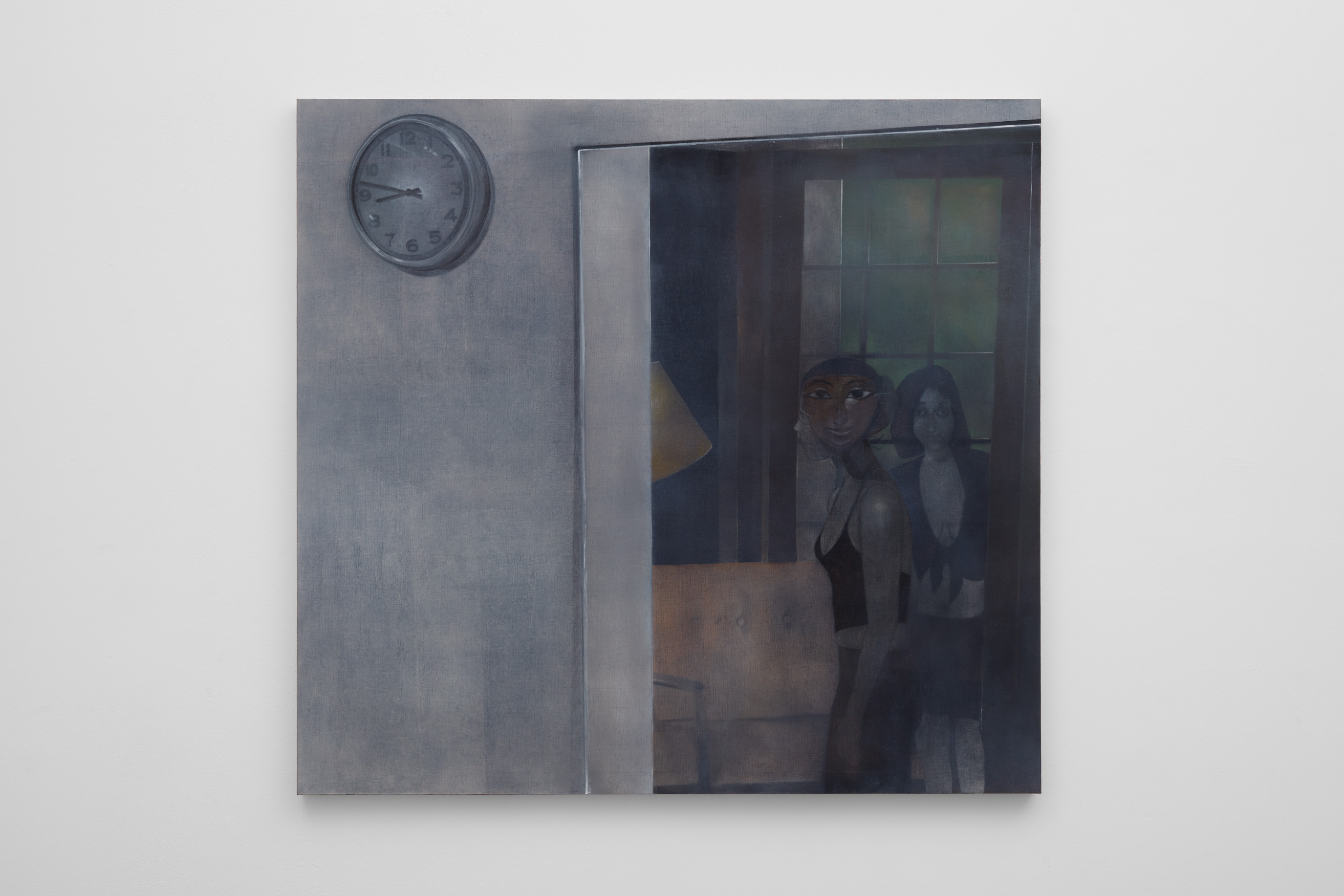
Ant Łakomsk, Egyptian Wing, 2026. Oil and shellac ink on canvas, 55 x 59 in. (140 x 150 cm).
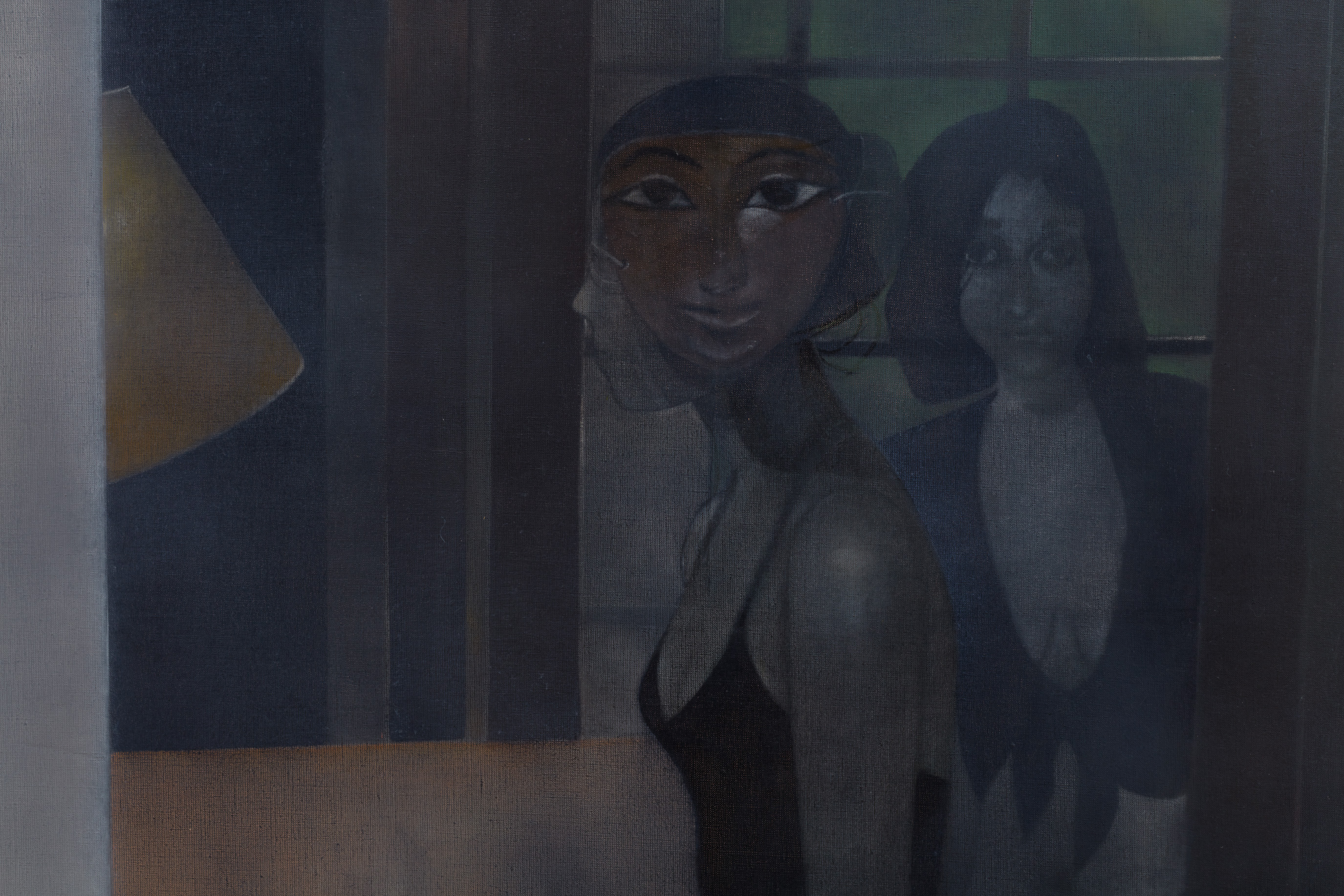
Detail. Ant Łakomsk, Egyptian Wing, 2026. Oil and shellac ink on canvas, 55 x 59 in. (140 x 150 cm).
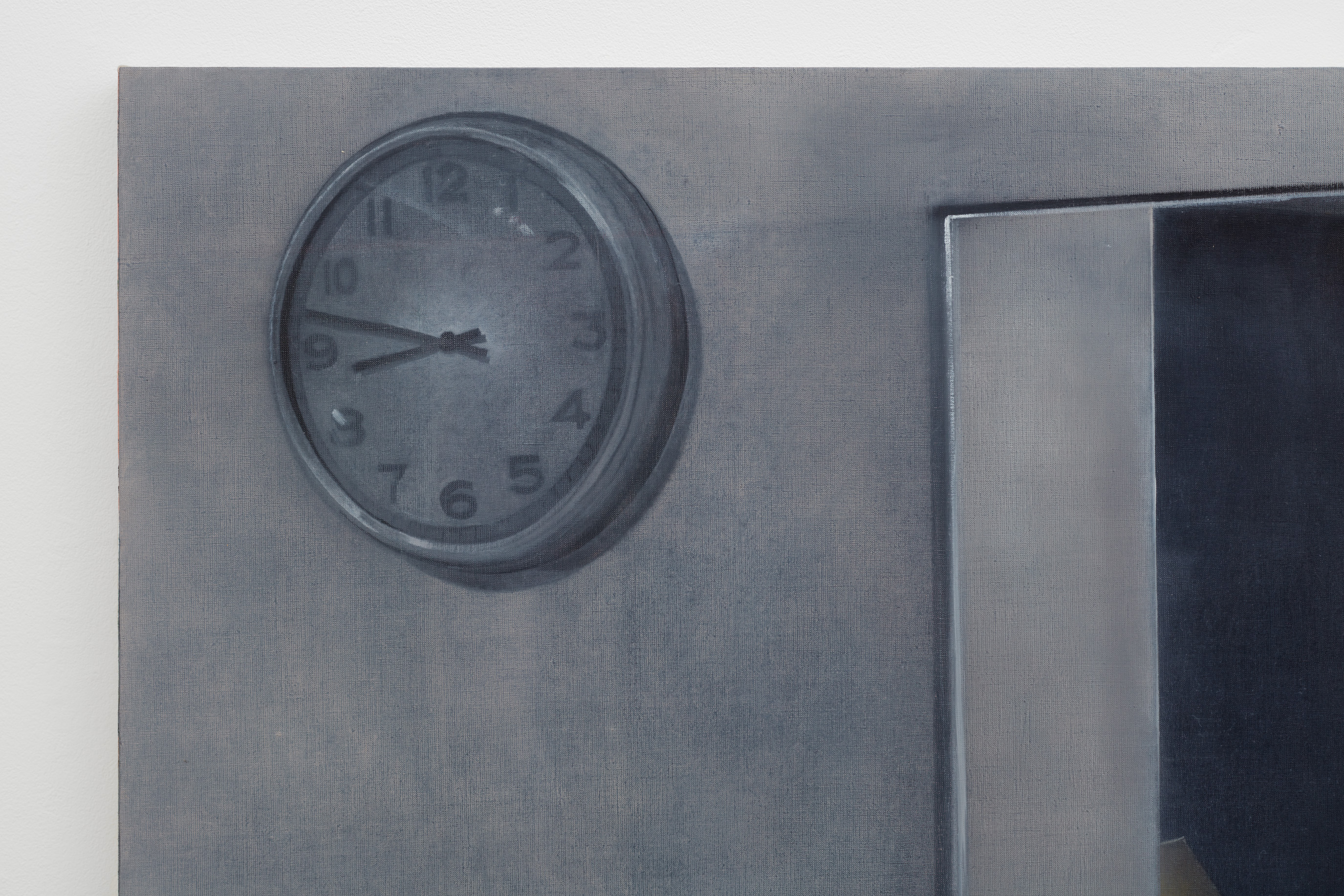
Detail. Ant Łakomsk, Egyptian Wing, 2026. Oil and shellac ink on canvas, 55 x 59 in. (140 x 150 cm).
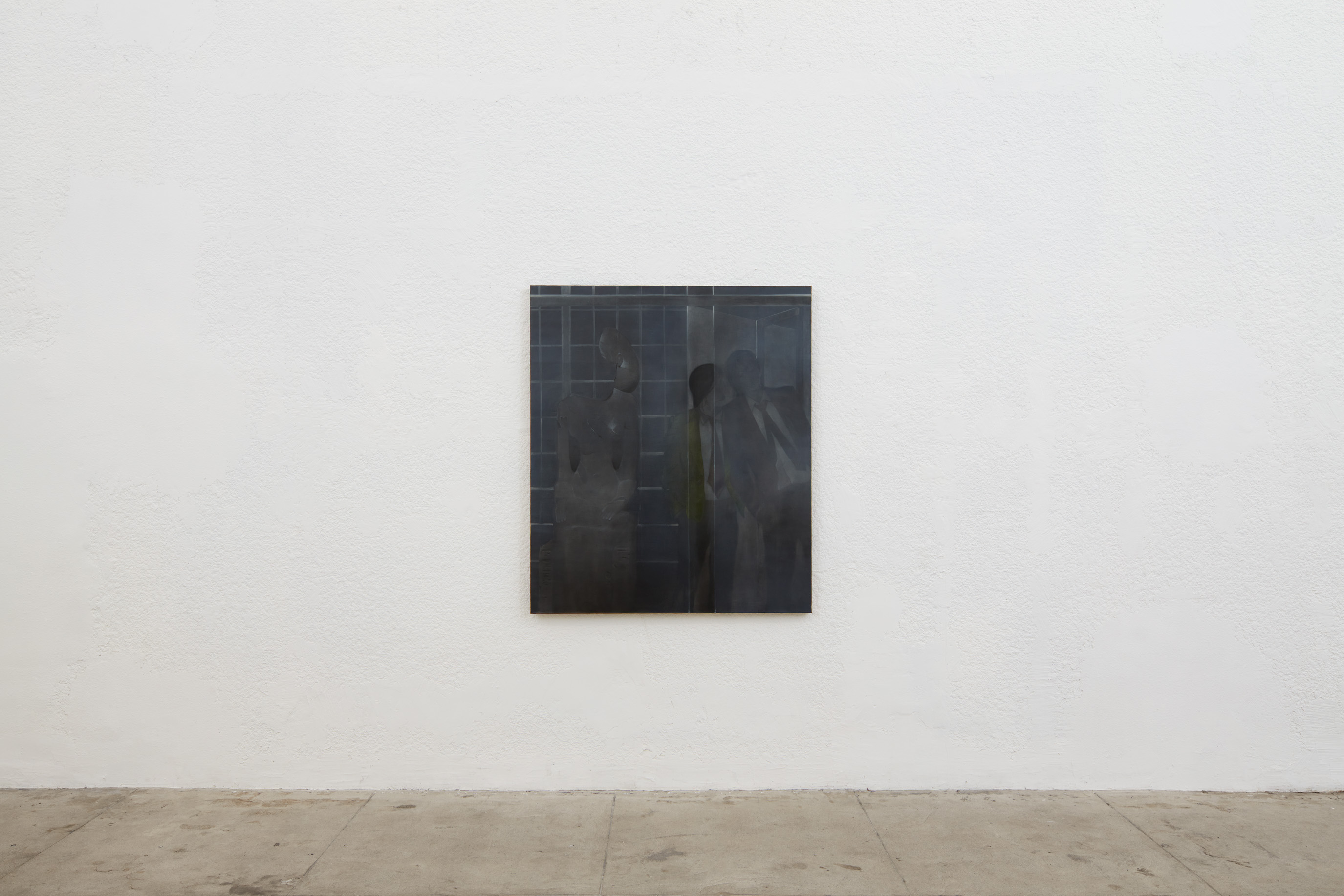
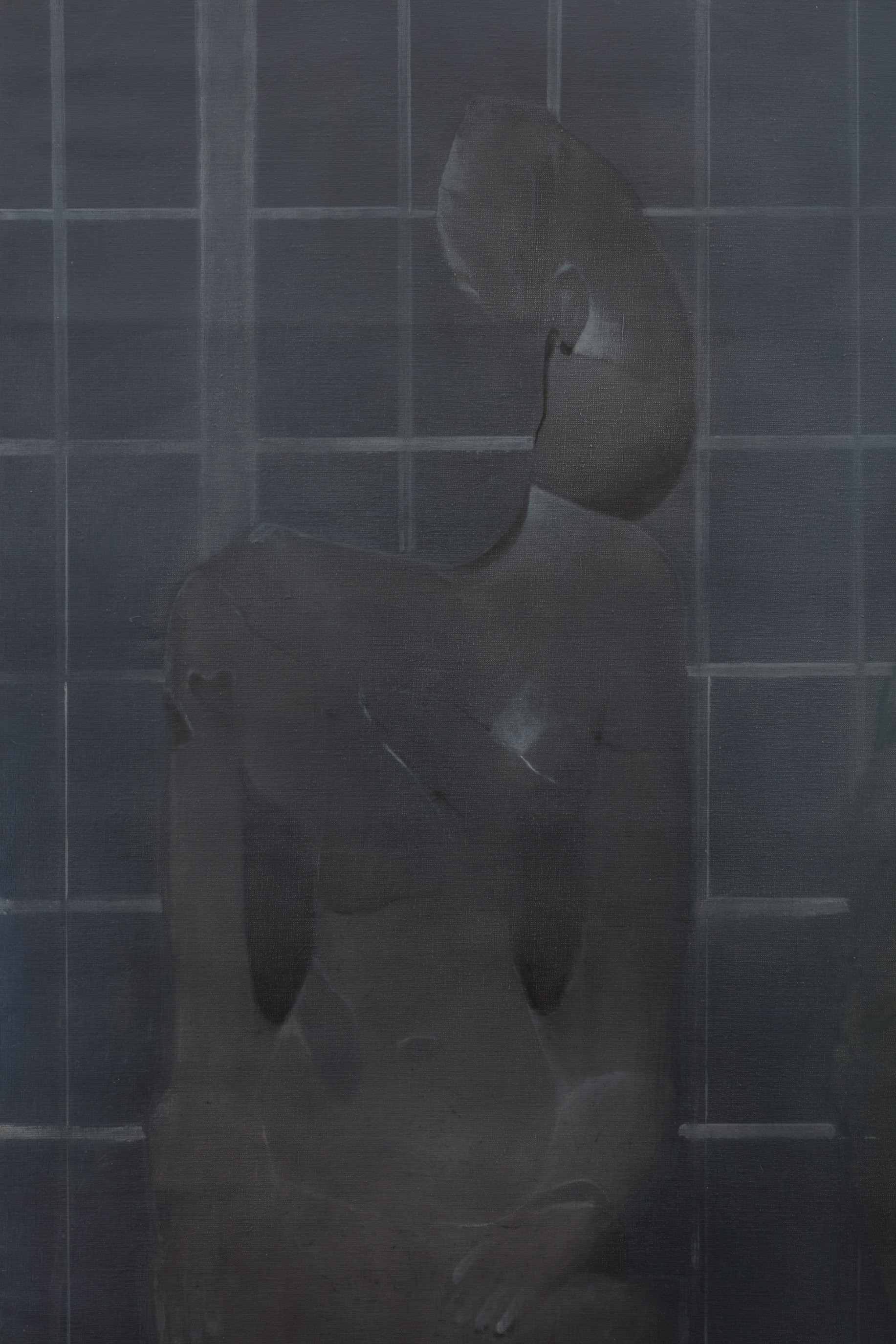
Ant Łakomsk, Egyptian Wing 2, 2026. Oil and shellac ink on canvas, 55 x 47.25 in. (140 x 120 cm).
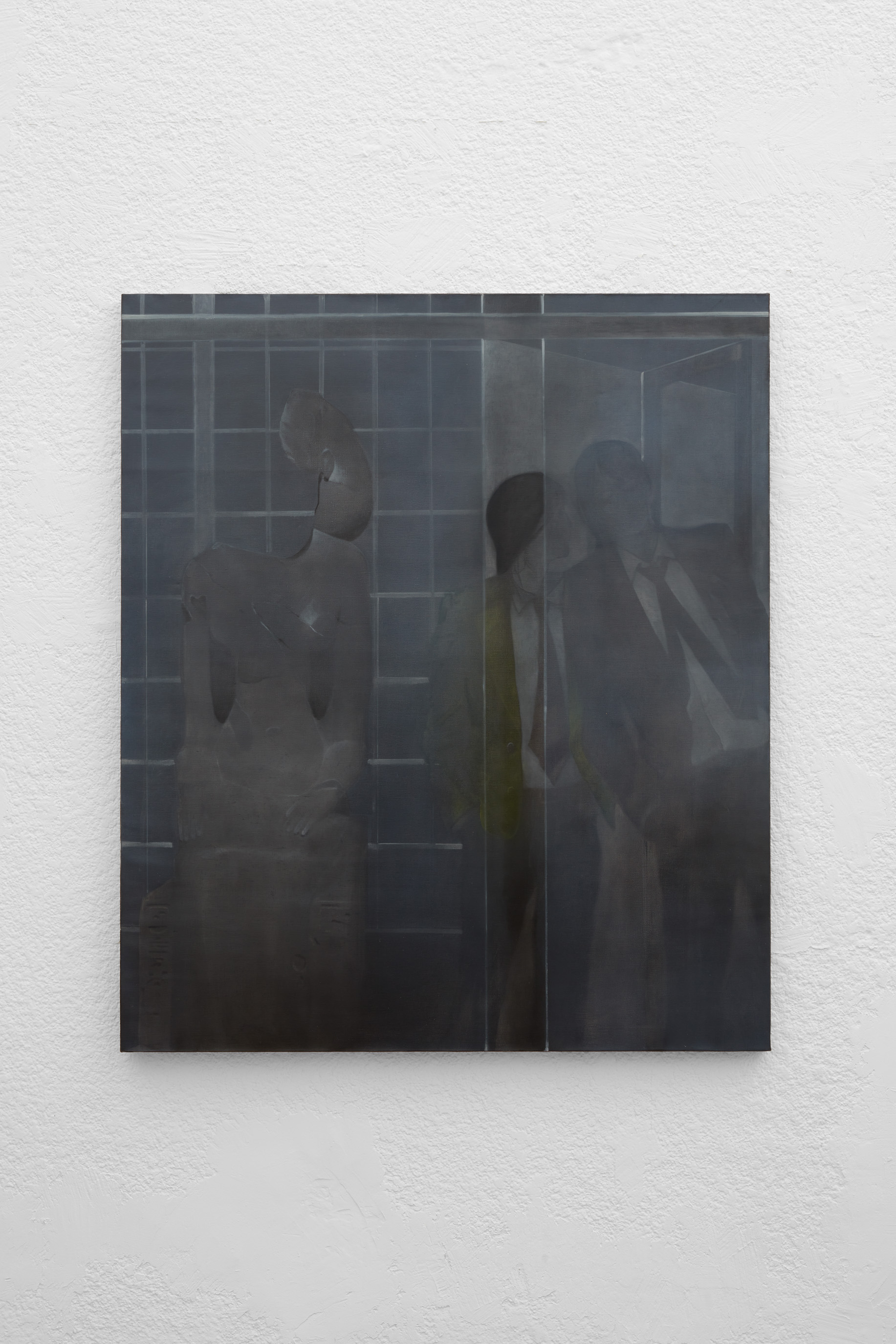
Detail. Ant Łakomsk, Egyptian Wing 2, 2026. Oil and shellac ink on canvas, 55 x 47.25 in. (140 x 120 cm).
Detail. Ant Łakomsk, Egyptian Wing 2, 2026. Oil and shellac ink on canvas, 55 x 47.25 in. (140 x 120 cm).
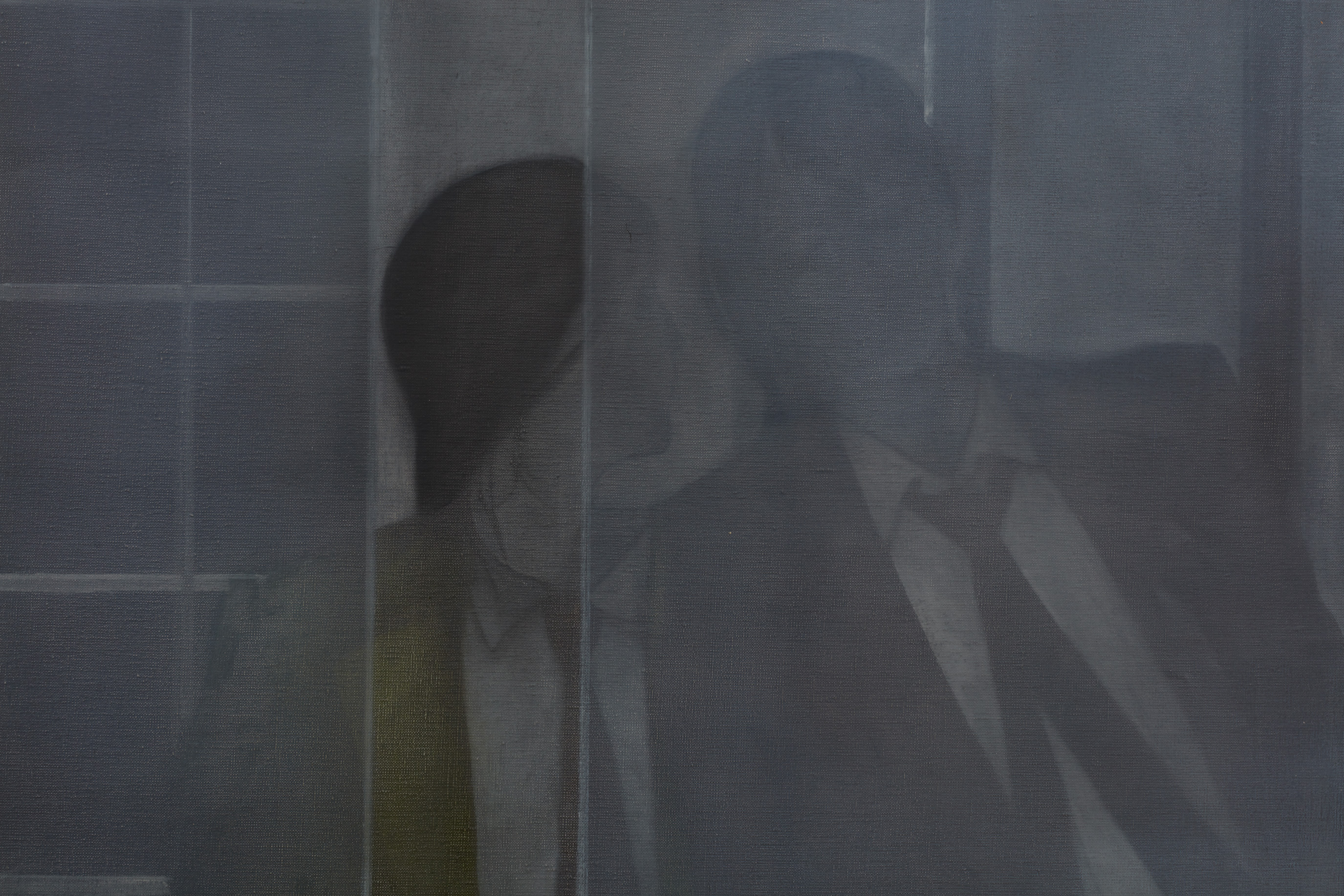
Detail. Ant Łakomsk, Egyptian Wing 2, 2026. Oil and shellac ink on canvas, 55 x 47.25 in. (140 x 120 cm).

Installation view. Alone, alone, all, all alone, 2026.

Installation view. Alone, alone, all, all alone, 2026.

Erin Calla Watson, Clear Creek Canyon above the Forks, 2023. Chromogenic print, edition 1/3 + 2 AP, image size: 14 x 11.5 in. (35.6 x 29.4 cm); framed size: 18 x 20 in. (45.7 x 50.1 cm).

Detail. Erin Calla Watson, Clear Creek Canyon above the Forks, 2023. Chromogenic print, edition 1/3 + 2 AP, image size: 14 x 11.5 in. (35.6 x 29.4 cm); framed size: 18 x 20 in. (45.7 x 50.1 cm).

Erin Calla Watson, West Avenue, Great Barrington, 2023. Chromogenic print, edition 1/3 + 2 AP, image size: 11.25 x 14 in. (28.2 x 35.6 cm); framed size: 18 x 29 in. (45.7 x 50.1 cm).
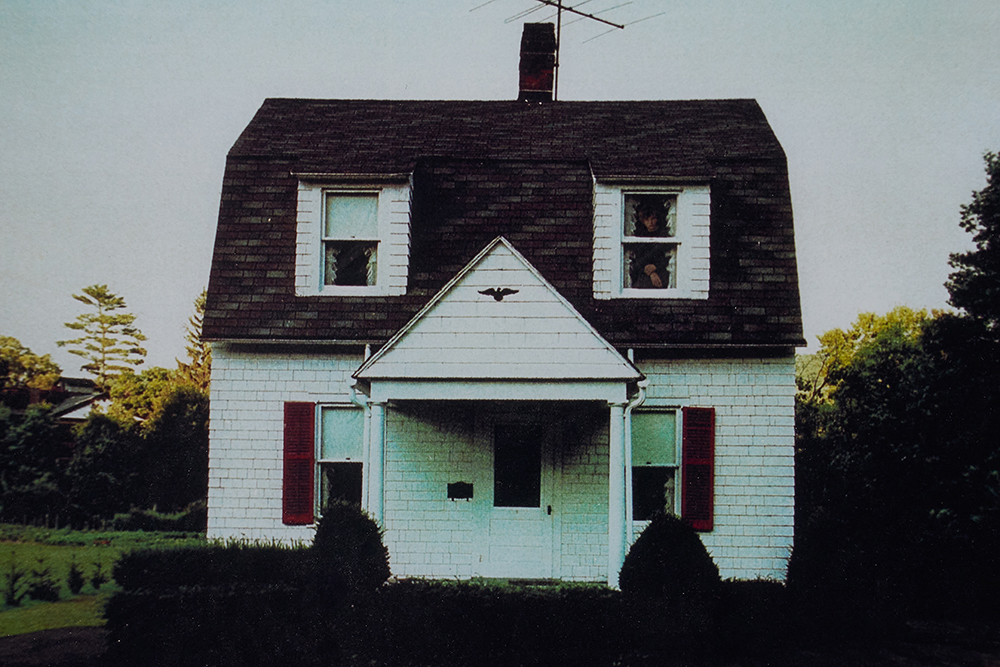
Detail. Erin Calla Watson, West Avenue, Great Barrington, 2023. Chromogenic print, edition 1/3 + 2 AP, image size: 11.25 x 14 in. (28.2 x 35.6 cm); framed size: 18 x 29 in. (45.7 x 50.1 cm).

Installation view. Alone, alone, all, all alone, 2026.

Ella Fleck, a zombie resurrected by a ghost, 2026. Glass cabinet, 100 borosilicate glass vials filled with Acetone (C₄H₈O), hair (keratin, α-helix polypeptide chains), saliva (aqueous mucin suspension, pH 6.2–7.6), urine-saturated cellulose substrate, chlorhexidine gluconate (C₂₂H₃₀Cl₂N₁₀ · 2C₆H₁₂O₇), coffea arabica aqueous extract, prunus amygdalus dulcis oil, androstenone (C₁₉H₂₈O), acetic acid (CH₃COOH), masticated polyisobutylene, mica (KAl₂(AlSi₃O₁₀)(OH)₂), MAC Retro Matte Lipstick (hydrogenated polyisobutene, pentaerythrityl tetra-di-t-butyl hydroxyhydrocinnamate, CI 15850, CI 77491), eyebrow hair (vellus keratin filament), polyethylene terephthalate fibre (PET, C₁₀H₈O₄)n, galaxolide 50 (1,3,4,6,7,8-hexahydro-4,6,6,7,8,8-hexamethylcyclopenta[g]-2-benzopyran, C₁₈H₂₆O, in isopropyl myristate carrier), γ-octalactone (C₈H₁₄O₂), santalum album oil, velvione (15-pentadecanolide, C₁₅H₂₈O₂), α-ionone (C₁₃H₂₀O), methyl salicylate (C₈H₈O₃), cadaverine (pentane-1,5-diamine, C₅H₁₄N₂), hedione (methyl dihydrojasmonate, C₁₃H₂₂O₃), pogostemon cablin extract, citrus sinensis essence, Wild rose hand cream (aqua, glycerin, helianthus annuus seed oil, rosa canina fruit oil, parfum), Baby powder fragrance oil (geraniol C₁₀H₁₈O, phenylethyl alcohol C₈H₁₀O, lilial C₁₄H₂₀O, ethyl vanillin C₉H₁₀O₃, coumarin C₉H₆O₂, galaxolide C₁₈H₂₆O), Almond Milk & Honey fragrance oil (γ-undecalactone C₁₁H₂₀O₂, methyl anthranilate C₈H₉NO₂, phenylacetic acid C₈H₈O₂, benzyl benzoate C₁₄H₁₂O₂, ethyl maltol C₇H₈O₃, coumarin C₉H₆O₂, vanillin C₈H₈O₃), White Musk fragrance oil (iso E super C₁₆H₂₄O, habanolide C₁₆H₂₈O₂, ambroxan C₁₆H₂₈O, benzyl acetate C₉H₁₀O₂, methyl dihydrojasmonate C₁₃H₂₂O₃, coumarin C₉H₆O₂, indole C₈H₇N), Sweet Brazilian fragrance oil (ethyl vanillin C₉H₁₀O₃, γ-nonalactone C₉H₁₆O₂, coumarin C₉H₆O₂, tonalide C₁₈H₂₆O, δ-decalactone C₁₀H₁₈O₂, benzyl salicylate C₁₄H₁₂O₃, iso E super C₁₆H₂₄O), dried Gypsophila, pressed Narcissi, dimensions variable; cabinet: 59.5 x 13.25 x 12 in. (151 x 33.5 x 30.5 cm).
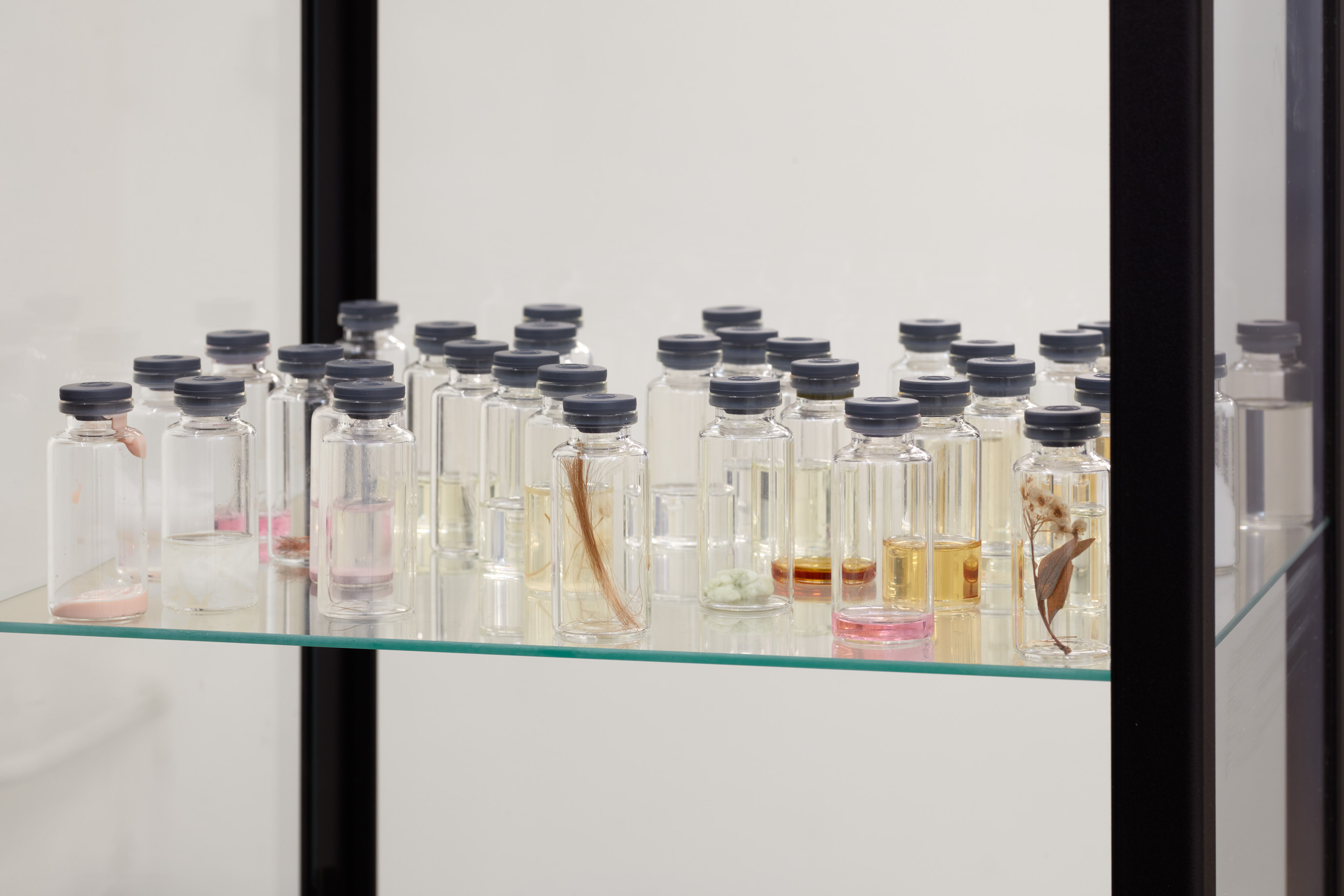
Detail. Ella Fleck, a zombie resurrected by a ghost, 2026. Glass cabinet, 100 borosilicate glass vials filled with Acetone (C₄H₈O), hair (keratin, α-helix polypeptide chains), saliva (aqueous mucin suspension, pH 6.2–7.6), urine-saturated cellulose substrate, chlorhexidine gluconate (C₂₂H₃₀Cl₂N₁₀ · 2C₆H₁₂O₇), coffea arabica aqueous extract, prunus amygdalus dulcis oil, androstenone (C₁₉H₂₈O), acetic acid (CH₃COOH), masticated polyisobutylene, mica (KAl₂(AlSi₃O₁₀)(OH)₂), MAC Retro Matte Lipstick (hydrogenated polyisobutene, pentaerythrityl tetra-di-t-butyl hydroxyhydrocinnamate, CI 15850, CI 77491), eyebrow hair (vellus keratin filament), polyethylene terephthalate fibre (PET, C₁₀H₈O₄)n, galaxolide 50 (1,3,4,6,7,8,8-hexahydro-4,6,6,7,8,8-hexamethylcyclopenta[g]-2-benzopyran, C₁₈H₂₆O, in isopropyl myristate carrier), γ-octalactone (C₈H₁₄O₂), santalum album oil, velvione (15-pentadecanolide, C₁₅H₂₈O₂), α-ionone (C₁₃H₂₀O), methyl salicylate (C₈H₈O₃), cadaverine (pentane-1,5-diamine, C₅H₁₄N₂), hedione (methyl dihydrojasmonate, C₁₃H₂₂O₃), pogostemon cablin extract, citrus sinensis essence, Wild rose hand cream (aqua, glycerin, helianthus annuus seed oil, rosa canina fruit oil, parfum), Baby powder fragrance oil (geraniol C₁₀H₁₈O, phenylethyl alcohol C₈H₁₀O, lilial C₁₄H₂₀O, ethyl vanillin C₉H₁₀O₃, coumarin C₉H₆O₂, galaxolide C₁₈H₂₆O), Almond Milk & Honey fragrance oil (γ-undecalactone C₁₁H₂₀O₂, methyl anthranilate C₈H₉NO₂, phenylacetic acid C₈H₈O₂, benzyl benzoate C₁₄H₁₂O₂, ethyl maltol C₇H₈O₃, coumarin C₉H₆O₂, vanillin C₈H₈O₃), White Musk fragrance oil (iso E super C₁₆H₂₄O, habanolide C₁₆H₂₈O₂, ambroxan C₁₆H₂₈O, benzyl acetate C₉H₁₀O₂, methyl dihydrojasmonate C₁₃H₂₂O₃, coumarin C₉H₆O₂, indole C₈H₇N), Sweet Brazilian fragrance oil (ethyl vanillin C₉H₁₀O₃, γ-nonalactone C₉H₁₆O₂, coumarin C₉H₆O₂, tonalide C₁₈H₂₆O, δ-decalactone C₁₀H₁₈O₂, benzyl salicylate C₁₄H₁₂O₃, iso E super C₁₆H₂₄O), dried Gypsophila, pressed Narcissi, dimensions variable; cabinet: 59.5 x 13.25 x 12 in. (151 x 33.5 x 30.5 cm).
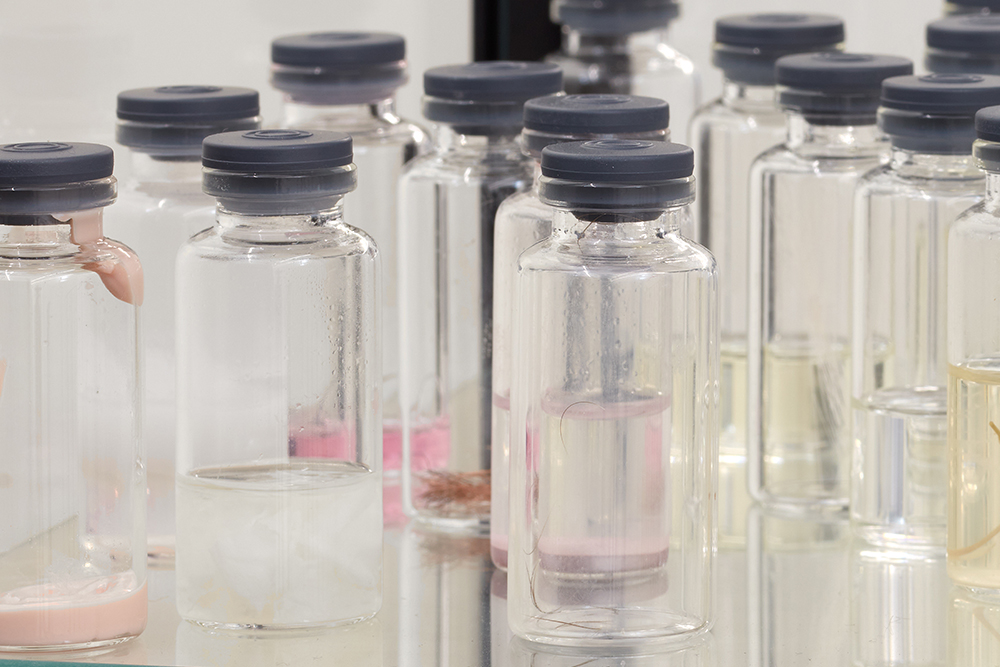
Detail. Ella Fleck, a zombie resurrected by a ghost, 2026. Glass cabinet, 100 borosilicate glass vials filled with Acetone (C₄H₈O), hair (keratin, α-helix polypeptide chains), saliva (aqueous mucin suspension, pH 6.2–7.6), urine-saturated cellulose substrate, chlorhexidine gluconate (C₂₂H₃₀Cl₂N₁₀ · 2C₆H₁₂O₇), coffea arabica aqueous extract, prunus amygdalus dulcis oil, androstenone (C₁₉H₂₈O), acetic acid (CH₃COOH), masticated polyisobutylene, mica (KAl₂(AlSi₃O₁₀)(OH)₂), MAC Retro Matte Lipstick (hydrogenated polyisobutene, pentaerythrityl tetra-di-t-butyl hydroxyhydrocinnamate, CI 15850, CI 77491), eyebrow hair (vellus keratin filament), polyethylene terephthalate fibre (PET, C₁₀H₈O₄)n, galaxolide 50 (1,3,4,6,7,8-hexahydro-4,6,6,7,8,8-hexamethylcyclopenta[g]-2-benzopyran, C₁₈H₂₆O, in isopropyl myristate carrier), γ-octalactone (C₈H₁₄O₂), santalum album oil, velvione (15-pentadecanolide, C₁₅H₂₈O₂), α-ionone (C₁₃H₂₀O), methyl salicylate (C₈H₈O₃), cadaverine (pentane-1,5-diamine, C₅H₁₄N₂), hedione (methyl dihydrojasmonate, C₁₃H₂₂O₃), pogostemon cablin extract, citrus sinensis essence, Wild rose hand cream (aqua, glycerin, helianthus annuus seed oil, rosa canina fruit oil, parfum), Baby powder fragrance oil (geraniol C₁₀H₁₈O, phenylethyl alcohol C₈H₁₀O, lilial C₁₄H₂₀O, ethyl vanillin C₉H₁₀O₃, coumarin C₉H₆O₂, galaxolide C₁₈H₂₆O), Almond Milk & Honey fragrance oil (γ-undecalactone C₁₁H₂₀O₂, methyl anthranilate C₈H₉NO₂, phenylacetic acid C₈H₈O₂, benzyl benzoate C₁₄H₁₂O₂, ethyl maltol C₇H₈O₃, coumarin C₉H₆O₂, vanillin C₈H₈O₃), White Musk fragrance oil (iso E super C₁₆H₂₄O, habanolide C₁₆H₂₈O₂, ambroxan C₁₆H₂₈O, benzyl acetate C₉H₁₀O₂, methyl dihydrojasmonate C₁₃H₂₂O₃, coumarin C₉H₆O₂, indole C₈H₇N), Sweet Brazilian fragrance oil (ethyl vanillin C₉H₁₀O₃, γ-nonalactone C₉H₁₆O₂, coumarin C₉H₆O₂, tonalide C₁₈H₂₆O, δ-decalactone C₁₀H₁₈O₂, benzyl salicylate C₁₄H₁₂O₃, iso E super C₁₆H₂₄O), dried Gypsophila, pressed Narcissi, dimensions variable; cabinet: 59.5 x 13.25 x 12 in. (151 x 33.5 x 30.5 cm).
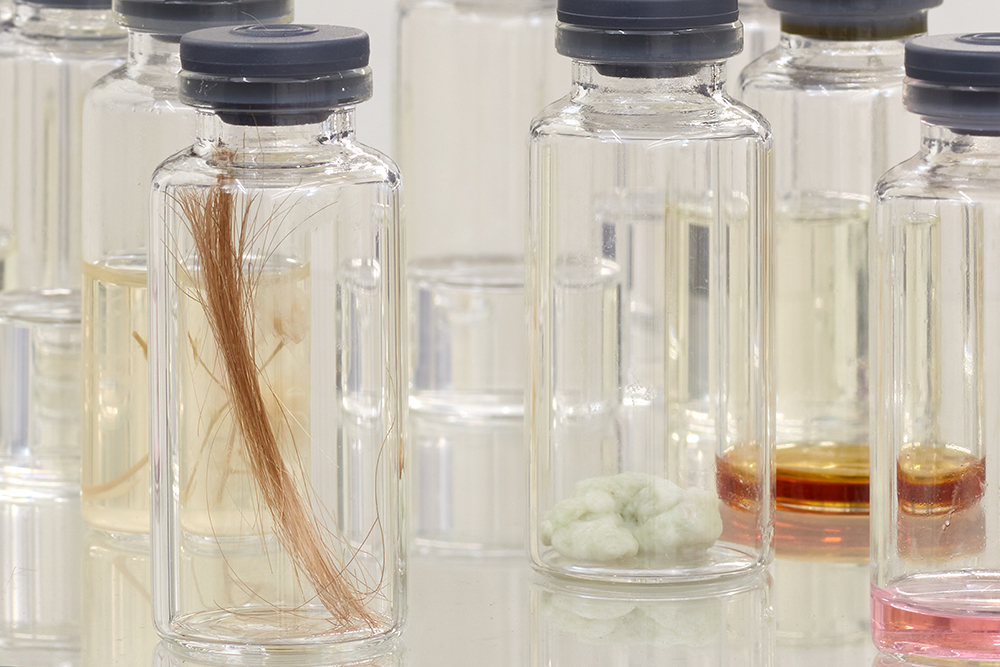
Detail. Ella Fleck, a zombie resurrected by a ghost, 2026. Glass cabinet, 100 borosilicate glass vials filled with Acetone (C₄H₈O), hair (keratin, α-helix polypeptide chains), saliva (aqueous mucin suspension, pH 6.2–7.6), urine-saturated cellulose substrate, chlorhexidine gluconate (C₂₂H₃₀Cl₂N₁₀ · 2C₆H₁₂O₇), coffea arabica aqueous extract, prunus amygdalus dulcis oil, androstenone (C₁₉H₂₈O), acetic acid (CH₃COOH), masticated polyisobutylene, mica (KAl₂(AlSi₃O₁₀)(OH)₂), MAC Retro Matte Lipstick (hydrogenated polyisobutene, pentaerythrityl tetra-di-t-butyl hydroxyhydrocinnamate, CI 15850, CI 77491), eyebrow hair (vellus keratin filament), polyethylene terephthalate fibre (PET, C₁₀H₈O₄)n, galaxolide 50 (1,3,4,6,7,8-hexahydro-4,6,6,7,8,8-hexamethylcyclopenta[g]-2-benzopyran, C₁₈H₂₆O, in isopropyl myristate carrier), γ-octalactone (C₈H₁₄O₂), santalum album oil, velvione (15-pentadecanolide, C₁₅H₂₈O₂), α-ionone (C₁₃H₂₀O), methyl salicylate (C₈H₈O₃), cadaverine (pentane-1,5-diamine, C₅H₁₄N₂), hedione (methyl dihydrojasmonate, C₁₃H₂₂O₃), pogostemon cablin extract, citrus sinensis essence, Wild rose hand cream (aqua, glycerin, helianthus annuus seed oil, rosa canina fruit oil, parfum), Baby powder fragrance oil (geraniol C₁₀H₁₈O, phenylethyl alcohol C₈H₁₀O, lilial C₁₄H₂₀O, ethyl vanillin C₉H₁₀O₃, coumarin C₉H₆O₂, galaxolide C₁₈H₂₆O), Almond Milk & Honey fragrance oil (γ-undecalactone C₁₁H₂₀O₂, methyl anthranilate C₈H₉NO₂, phenylacetic acid C₈H₈O₂, benzyl benzoate C₁₄H₁₂O₂, ethyl maltol C₇H₈O₃, coumarin C₉H₆O₂, vanillin C₈H₈O₃), White Musk fragrance oil (iso E super C₁₆H₂₄O, habanolide C₁₆H₂₈O₂, ambroxan C₁₆H₂₈O, benzyl acetate C₉H₁₀O₂, methyl dihydrojasmonate C₁₃H₂₂O₃, coumarin C₉H₆O₂, indole C₈H₇N), Sweet Brazilian fragrance oil (ethyl vanillin C₉H₁₀O₃, γ-nonalactone C₉H₁₆O₂, coumarin C₉H₆O₂, tonalide C₁₈H₂₆O, δ-decalactone C₁₀H₁₈O₂, benzyl salicylate C₁₄H₁₂O₃, iso E super C₁₆H₂₄O), dried Gypsophila, pressed Narcissi, dimensions variable; cabinet: 59.5 x 13.25 x 12 in. (151 x 33.5 x 30.5 cm).
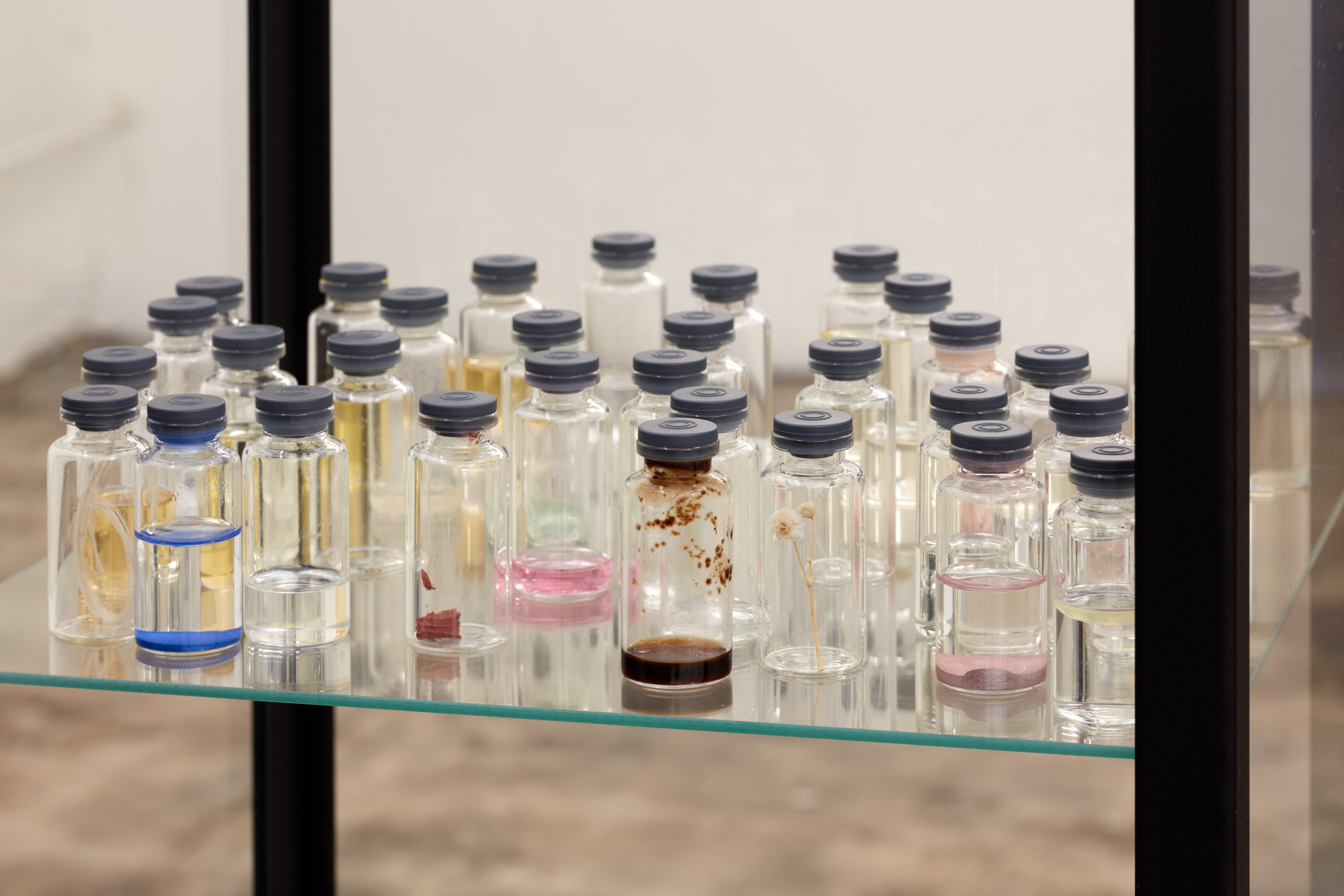
Detail. Ella Fleck, a zombie resurrected by a ghost, 2026. Glass cabinet, 100 borosilicate glass vials filled with Acetone (C₄H₈O), hair (keratin, α-helix polypeptide chains), saliva (aqueous mucin suspension, pH 6.2–7.6), urine-saturated cellulose substrate, chlorhexidine gluconate (C₂₂H₃₀Cl₂N₁₀ · 2C₆H₁₂O₇), coffea arabica aqueous extract, prunus amygdalus dulcis oil, androstenone (C₁₉H₂₈O), acetic acid (CH₃COOH), masticated polyisobutylene, mica (KAl₂(AlSi₃O₁₀)(OH)₂), MAC Retro Matte Lipstick (hydrogenated polyisobutene, pentaerythrityl tetra-di-t-butyl hydroxyhydrocinnamate, CI 15850, CI 77491), eyebrow hair (vellus keratin filament), polyethylene terephthalate fibre (PET, C₁₀H₈O₄)n, galaxolide 50 (1,3,4,6,7,8-hexahydro-4,6,6,7,8,8-hexamethylcyclopenta[g]-2-benzopyran, C₁₈H₂₆O, in isopropyl myristate carrier), γ-octalactone (C₈H₁₄O₂), santalum album oil, velvione (15-pentadecanolide, C₁₅H₂₈O₂), α-ionone (C₁₃H₂₀O), methyl salicylate (C₈H₈O₃), cadaverine (pentane-1,5-diamine, C₅H₁₄N₂), hedione (methyl dihydrojasmonate, C₁₃H₂₂O₃), pogostemon cablin extract, citrus sinensis essence, Wild rose hand cream (aqua, glycerin, helianthus annuus seed oil, rosa canina fruit oil, parfum), Baby powder fragrance oil (geraniol C₁₀H₁₈O, phenylethyl alcohol C₈H₁₀O, lilial C₁₄H₂₀O, ethyl vanillin C₉H₁₀O₃, coumarin C₉H₆O₂, galaxolide C₁₈H₂₆O), Almond Milk & Honey fragrance oil (γ-undecalactone C₁₁H₂₀O₂, methyl anthranilate C₈H₉NO₂, phenylacetic acid C₈H₈O₂, benzyl benzoate C₁₄H₁₂O₂, ethyl maltol C₇H₈O₃, coumarin C₉H₆O₂, vanillin C₈H₈O₃), White Musk fragrance oil (iso E super C₁₆H₂₄O, habanolide C₁₆H₂₈O₂, ambroxan C₁₆H₂₈O, benzyl acetate C₉H₁₀O₂, methyl dihydrojasmonate C₁₃H₂₂O₃, coumarin C₉H₆O₂, indole C₈H₇N), Sweet Brazilian fragrance oil (ethyl vanillin C₉H₁₀O₃, γ-nonalactone C₉H₁₆O₂, coumarin C₉H₆O₂, tonalide C₁₈H₂₆O, δ-decalactone C₁₀H₁₈O₂, benzyl salicylate C₁₄H₁₂O₃, iso E super C₁₆H₂₄O), dried Gypsophila, pressed Narcissi, dimensions variable; cabinet: 59.5 x 13.25 x 12 in. (151 x 33.5 x 30.5 cm).
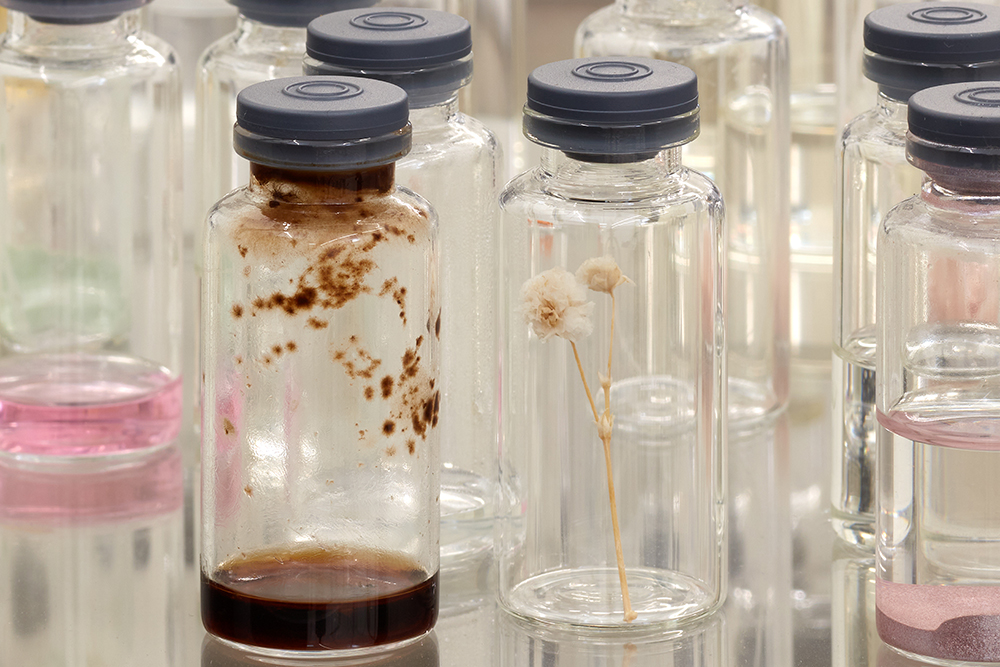
Detail. Ella Fleck, a zombie resurrected by a ghost, 2026. Glass cabinet, 100 borosilicate glass vials filled with Acetone (C₄H₈O), hair (keratin, α-helix polypeptide chains), saliva (aqueous mucin suspension, pH 6.2–7.6), urine-saturated cellulose substrate, chlorhexidine gluconate (C₂₂H₃₀Cl₂N₁₀ · 2C₆H₁₂O₇), coffea arabica aqueous extract, prunus amygdalus dulcis oil, androstenone (C₁₉H₂₈O), acetic acid (CH₃COOH), masticated polyisobutylene, mica (KAl₂(AlSi₃O₁₀)(OH)₂), MAC Retro Matte Lipstick (hydrogenated polyisobutene, pentaerythrityl tetra-di-t-butyl hydroxyhydrocinnamate, CI 15850, CI 77491), eyebrow hair (vellus keratin filament), polyethylene terephthalate fibre (PET, C₁₀H₈O₄)n, galaxolide 50 (1,3,4,6,7,8-hexahydro-4,6,6,7,8,8-hexamethylcyclopenta[g]-2-benzopyran, C₁₈H₂₆O, in isopropyl myristate carrier), γ-octalactone (C₈H₁₄O₂), santalum album oil, velvione (15-pentadecanolide, C₁₅H₂₈O₂), α-ionone (C₁₃H₂₀O), methyl salicylate (C₈H₈O₃), cadaverine (pentane-1,5-diamine, C₅H₁₄N₂), hedione (methyl dihydrojasmonate, C₁₃H₂₂O₃), pogostemon cablin extract, citrus sinensis essence, Wild rose hand cream (aqua, glycerin, helianthus annuus seed oil, rosa canina fruit oil, parfum), Baby powder fragrance oil (geraniol C₁₀H₁₈O, phenylethyl alcohol C₈H₁₀O, lilial C₁₄H₂₀O, ethyl vanillin C₉H₁₀O₃, coumarin C₉H₆O₂, galaxolide C₁₈H₂₆O), Almond Milk & Honey fragrance oil (γ-undecalactone C₁₁H₂₀O₂, methyl anthranilate C₈H₉NO₂, phenylacetic acid C₈H₈O₂, benzyl benzoate C₁₄H₁₂O₂, ethyl maltol C₇H₈O₃, coumarin C₉H₆O₂, vanillin C₈H₈O₃), White Musk fragrance oil (iso E super C₁₆H₂₄O, habanolide C₁₆H₂₈O₂, ambroxan C₁₆H₂₈O, benzyl acetate C₉H₁₀O₂, methyl dihydrojasmonate C₁₃H₂₂O₃, coumarin C₉H₆O₂, indole C₈H₇N), Sweet Brazilian fragrance oil (ethyl vanillin C₉H₁₀O₃, γ-nonalactone C₉H₁₆O₂, coumarin C₉H₆O₂, tonalide C₁₈H₂₆O, δ-decalactone C₁₀H₁₈O₂, benzyl salicylate C₁₄H₁₂O₃, iso E super C₁₆H₂₄O), dried Gypsophila, pressed Narcissi, dimensions variable; cabinet: 59.5 x 13.25 x 12 in. (151 x 33.5 x 30.5 cm).